
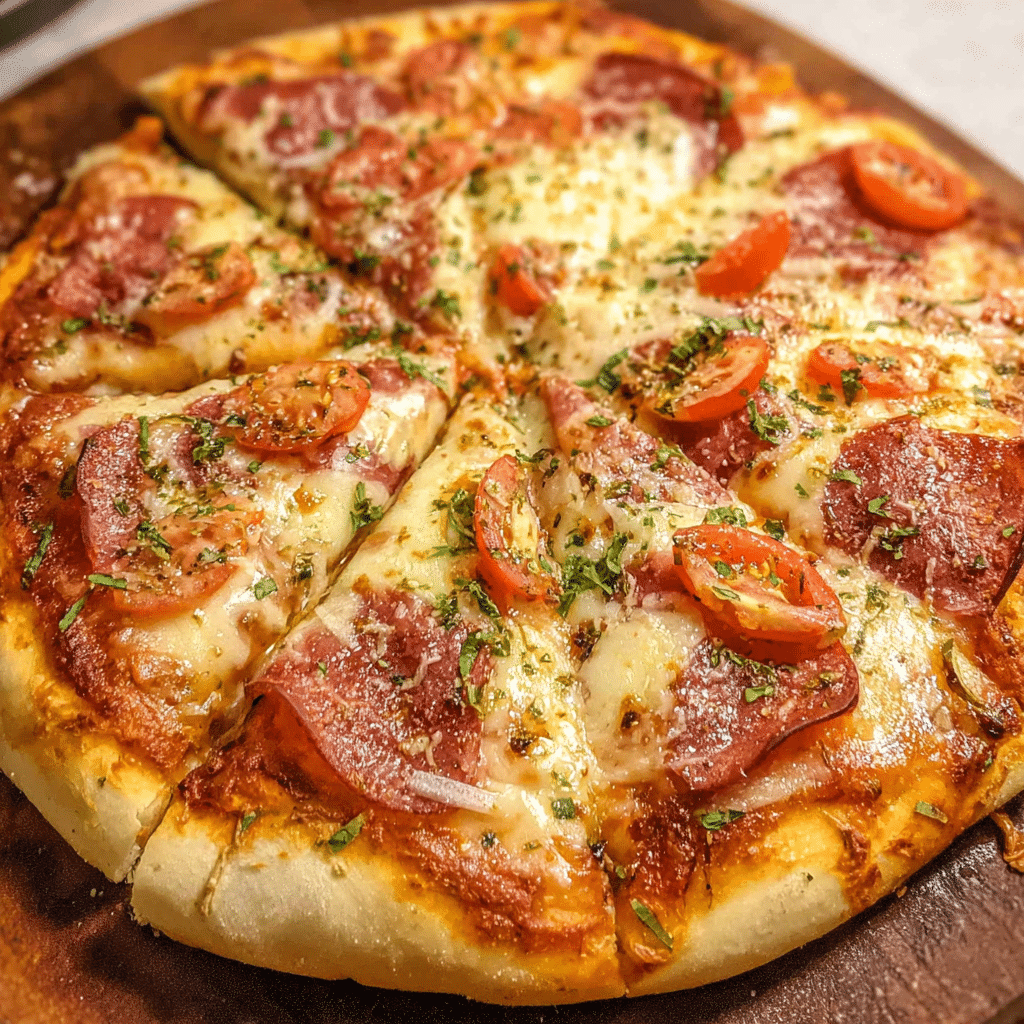
If you’ve ever dreamed of crafting the perfect slice right in your own kitchen, you’re in for a treat. Making Homemade Pizza combines simple ingredients with easy techniques to create that irresistible, crispy crust, gooey cheese, and vibrant toppings that feel like a warm hug on a plate. Whether you’re a seasoned cook or a total beginner, this guide will walk you through every step to help you master a delicious homemade pizza you can be proud of.
Why You’ll Love This Recipe
- Simple yet satisfying: This recipe uses straightforward ingredients that come together beautifully.
- Customizable flavors: You can tailor toppings and sauces to fit your personal cravings or dietary needs.
- Perfectly crispy crust: Learn techniques that deliver a crispy exterior with a soft, chewy inside.
- Cost-effective cooking: Making homemade pizza saves money while delivering fresh, wholesome ingredients.
- Fun and interactive: Making your own pizza is a joyful experience that’s great for family or friends.
Ingredients You’ll Need
Choosing the right ingredients is the foundation of a fantastic pizza. Each element contributes not just flavor but texture and color, creating a beautiful pie that’s as pleasing to the eyes as it is to the palate.
- Flour: Use bread flour for extra chewiness and a better crust texture.
- Yeast: Active dry yeast or instant yeast will help your dough rise and become airy.
- Water: Lukewarm water activates the yeast and hydrates the dough.
- Olive Oil: Adds moisture and enhances the dough’s flavor and crispiness.
- Salt: Essential for seasoning and bringing out the dough’s flavor.
- Tomato Sauce: Use a simple, herb-infused sauce for fresh, tangy pizza base notes.
- Mozzarella Cheese: The star topping; choose fresh cheese for rich, melty goodness.
- Optional Toppings: Vegetables, meats, herbs, or anything that excites your taste buds.
Variations for Homemade Pizza
One of the best parts about homemade pizza is how adaptable it is—whether you’re catering to dietary needs or just experimenting with flavors, there’s a variation to fit every occasion.
- Vegetarian version: Pile on colorful veggies like bell peppers, mushrooms, and spinach for a garden-fresh twist.
- Gluten-Free Crust: Use a gluten-free flour blend to make it friendly for those avoiding gluten.
- BBQ Chicken Pizza: Swap tomato sauce for barbecue sauce and add cooked chicken and red onions.
- Vegan Cheese Substitute: Use dairy-free cheese alternatives to keep it vegan and delicious.
- Spicy Kick: Add crushed red pepper flakes or fresh jalapeños for a bold flavor punch.

How to Make Homemade Pizza
Step 1: Prepare the Dough
Start by mixing flour, yeast, salt, olive oil, and lukewarm water in a large bowl. Knead the dough for about 8 to 10 minutes until it becomes smooth and elastic. Cover it and let it rise in a warm spot for at least one hour until it doubles in size.
Step 2: Shape the Dough
Once risen, punch down the dough gently to release air bubbles. Flour your work surface lightly, then roll or stretch the dough into your desired size and thickness, keeping some thickness at the edges to form the crust.
Step 3: Add Sauce and Toppings
Spread an even layer of tomato sauce over the dough, leaving a small border around the edges. Sprinkle shredded mozzarella generously, then layer on your favorite toppings, making sure not to overload to keep the crust crispy.
Step 4: Bake Your Pizza
Preheat your oven to the highest temperature possible (450°F to 500°F is ideal) and bake the pizza on a preheated pizza stone or a baking sheet for about 10 to 12 minutes until the crust is golden and the cheese bubbly and slightly browned.
Step 5: Serve and Enjoy
Remove your pizza from the oven and let it cool for a couple minutes. Slice it up and savor every bite of that homemade excellence!
Pro Tips for Making Homemade Pizza
- Preheat your oven fully: A hot oven ensures a crispy crust and melty cheese.
- Use a pizza stone or steel: These tools distribute heat evenly and absorb moisture.
- Don’t overload toppings: Too many toppings can result in a soggy crust.
- Rest dough properly: Allow dough enough time to rise fully for better flavor and texture.
- Let cheese come to room temperature: This helps the cheese melt evenly over the sauce.
How to Serve Homemade Pizza
Garnishes
Fresh herbs like basil or oregano add an aromatic finish, while a drizzle of extra virgin olive oil or a sprinkle of chili flakes bring the last touch of flavor magic.
Side Dishes
Pair your pizza with crisp, refreshing salads or garlic bread for a well-rounded meal that balances indulgence with freshness.
Creative Ways to Present
Try serving pizza on wooden boards for rustic charm or cut into bite-sized squares for easy sharing at parties and gatherings.
Make Ahead and Storage
Storing Leftovers
Wrap leftover pizza slices tightly in plastic wrap or aluminum foil and refrigerate for up to 3 days to maintain freshness.
Freezing
Freeze unbaked dough balls or fully cooked pizzas wrapped securely for up to 2 months, so you’re always ready for a quick homemade meal.
Reheating
Reheat slices in a hot skillet or oven instead of the microwave to preserve the crust’s crispness and melt the cheese beautifully.
FAQs
Can I use regular all-purpose flour for the dough?
Absolutely! While bread flour gives a chewier texture, all-purpose flour works well and yields a slightly softer crust that still tastes fantastic.
How long does the dough need to rise?
Typically, about 1 to 2 hours at room temperature until it doubles in size. You can also let it rise slowly overnight in the fridge for better flavor.
What’s the best way to get a crispy crust at home?
Using a pizza stone or steel, baking at a very high temperature, and avoiding too many wet toppings are key to achieving a crispy and golden crust.
Can I make homemade pizza without yeast?
Yes, using baking powder as a substitute can work, but the texture will be different—more like a flatbread and less chewy.
How do I store leftover dough?
Wrap the dough tightly in plastic wrap and refrigerate it for up to 3 days or freeze it to keep it fresh longer.
Final Thoughts
Making Homemade Pizza is not just about delicious food—it’s about the joy of creating something from scratch that brings people together. With these easy steps, you’ll be a pizza pro in no time, impressing yourself and those lucky enough to share a slice. So grab your ingredients, roll up your sleeves, and dive into the wonderful world of homemade pizza perfection!